
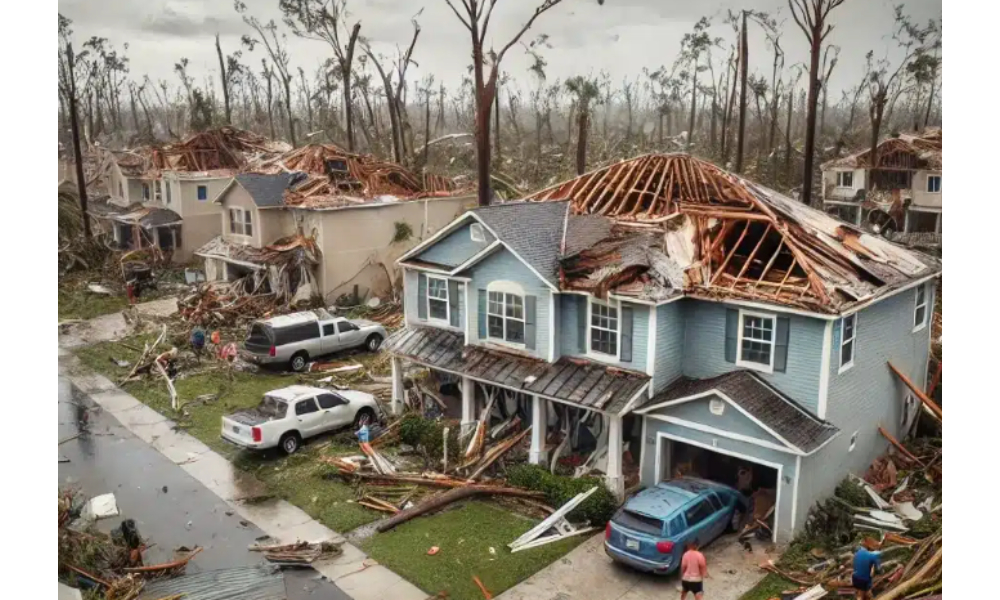
Storm damage has always been a possibility due to the unpredictable Florida weather for a committed homeowner or business. With heavy rains, strong winds, hurricanes, or flooding coming into account, preparations for storms and response to storm damage were essential. Knowing the pre-claim steps to undertake will save time and relieve stress while ensuring a smoother process in claims handling.
Put Safety First
Before checking for any damage, ensure that you and your family are safe. Watch out for downed power lines, unstable structures, and floodwaters; safety always comes first in the dictionary. Once it is safe, you may proceed to inspect damage and commence calling the insurance company.
Thoroughly Document Damage
Insurance companies want enormous amounts of evidence before processing a claim. Take clear pictures and shoot video completely covering all affected areas, from roofs to windows, siding, landscaping, and all interior features. If possible, hold on to some of the damaged goods for inspection. The more evidence you’re able to furnish, the more fluent your claim will be.
Reduce Further Damage
Most insurance policies expect homeowners to do what is reasonable in an effort to avoid further damage. This could be covering a damaged roof with a tarp, boarding up broken windows, or removing water-soaked carpets. Keep copies of your receipts, as temporary repairs are often reimbursable under your policy.
Review Your Insurance Policy
Before filing your claim, go through your homeowner’s or commercial insurance policy. Find out what kinds of storm damage are covered, your deductibles, and any limits that may exist on payouts. Understanding your coverage helps you file a more accurate claim and avoid any nasty surprises.
Contact Your Insurance Company ASAP
Give your insurance provider notice as soon as possible after the storm has passed. Most companies should have a claims hotline or online portal. Present to them all documentation pertaining to damage and the particulars of that damage, while also asking them what next steps should be, including inspections and repair estimates.
Avoid Mistakes
Avoid hiring contractors or making major repairs before the property has been assessed by your insurer. Any urgent repairs to prevent further damage are okay; nonetheless, if they have not been pre-approved by the insurance adjuster, any permanent repairs may directly affect your claim. During this time, take all sorts of records regarding any homeowners’ work.
This post was written by Kelly-Ann Jenkins of Jenkins Law P.L. Kelly-Ann is an insurance claim Lawyer. The information on this site is not intended to and does not offer legal advice, legal recommendations, or legal representation on any matter. Hiring an attorney is an important decision that should not be based on advertising. You need to consult an attorney for legal advice regarding your situation. Click here to learn more!
The information provided on this website does not, and is not intended to, constitute legal advice; all information, content, and materials available on this site are for general informational purposes only. Information on this website may not constitute the most up-to-date legal or other information. This website contains links to other third-party websites. Such links are only for the convenience of the reader, user, or browser; the ABA and its members do not recommend or endorse the contents of the third-party sites.